Cut this first
Anything broad that delays the real fix.If the opening screen still makes the reader scroll before they know the next sensible move, the page is carrying too much soft setup.
Editorial policy
Start with the fix, keep the scope honest, and leave the reader with the right next page.
Each page is updated for clarity, question focus, and whether it points the reader toward a useful next step.
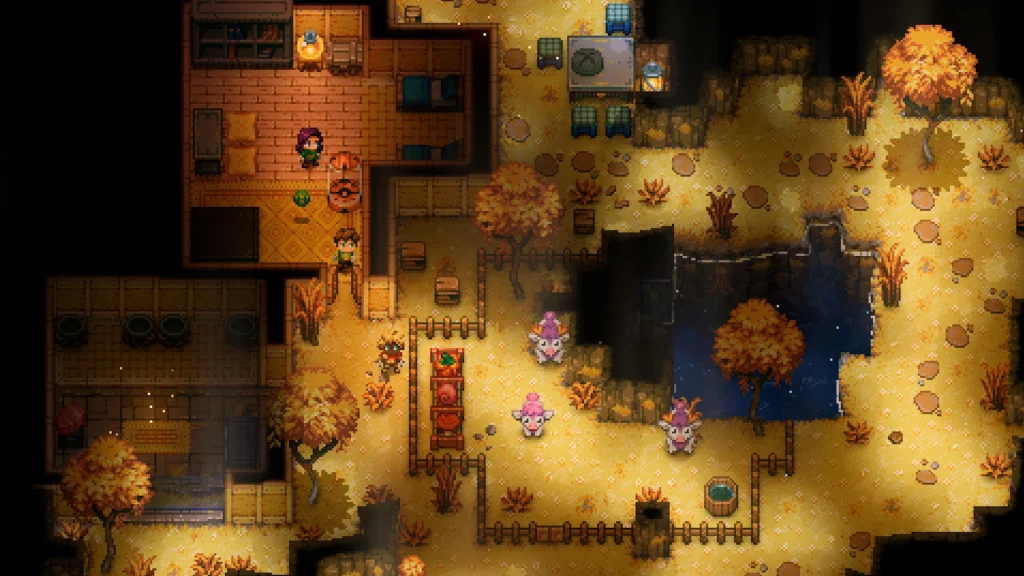
Open with the decision, cut the extra detours, and make sure the next page still feels obvious when someone lands from search.
When a guide comes back onto the desk
That usually means the quick answer is too broad, the screenshot is not doing enough work, a linked reference needs checking, or the page is handing readers to the wrong next guide.
The point of a revision is not to make a page longer. It is to make the right decision easier to spot and easier to trust.
Cut this first
Anything broad that delays the real fix.If the opening screen still makes the reader scroll before they know the next sensible move, the page is carrying too much soft setup.
Keep this visible
The test context, the route clue, and the next page.A page is easier to trust when the reader can tell what build, route, or return-player situation the advice is really speaking to.
Do not mistake screenshots for decoration
The image should help the player act, not just make the page look full.Screenshots, route previews, and loadout views stay only when they clarify a scene, a lane, a landmark, or a setup that the text alone was not landing clearly enough.
Quick answer
A revision is working when the short answer becomes clearer before the reader has to scroll through supporting detail.
Visual clue
If the screenshot, map cue, or fight lane still feels vague, the page has not actually become easier to trust.
Next click
Good revisions close dead ends. They point readers to the one next page that still matches the save instead of offering broad background notes.
What makes a review credible
Review method
Each update starts from one specific player situation, then gets confirmed against current in-game behavior, visible map cues, and linked references where needed before it goes back live.
Visible maintenance
When a recommendation changes in a meaningful way, the page should show why it was revisited and what was tightened.
Search boundary
If several pages are solving the same narrow update question, the stronger path is to merge them, narrow them, or noindex the weaker versions until they add standalone value.
Public proof standards
Visible dates
A page should show when it was last checked and what practical player problem was tightened before it stayed live.
Source clarity
Patch notes and official material are treated differently from community references and practical route recommendations.
Low-value handling
If a page does not solve a distinct player question, it should not be expanded just to look longer.
Reader route
Readers should be able to challenge a stale route, repeated image, broken link, or unclear recommendation without hunting for the right inbox.
Screenshot standard
Progression
Current reference: Official gameplay screenshot with a separate editor note.
In your own save, verify the key moment you should recognize before acting on the guide.
Progression
Current reference: Official gameplay screenshot with a separate editor note.
In your own save, verify the key moment you should recognize before acting on the guide.
Progression
Current reference: Official gameplay screenshot with a separate editor note.
In your own save, verify the key moment you should recognize before acting on the guide.
Progression
Current reference: Official gameplay screenshot with a separate editor note.
In your own save, verify the key moment you should recognize before acting on the guide.
Working rules
Every article begins with a direct answer before moving into supporting detail, practical notes, or FAQs.
Guides are written around one main player question so readers do not need to sort through unrelated detours.
Pages show when they were last updated so readers can quickly judge how fresh the advice is.
The goal is to help players make the next good decision, not to overwhelm them with every possible detail.
Game facts, linked references, and practical route suggestions are kept distinct so a reader can tell what should be confirmed after a patch.
Articles are written for this site and do not provide downloads, cheats, account services, paid access, or required sign-in.
If a short support page does not answer a distinct player problem, it can be merged, narrowed, or kept out of search until the useful answer is clearer.
Sources and recommendations
For patch notes, game systems, official images, and support information, the site prefers the game's official channels and in-game descriptions where they are available.
Community wikis and player discussions may help explain a route or item, but they are linked as supporting references and are not treated as permanent authority after a patch.
Route order, preparation ideas, and build comfort are editorial recommendations. They are written as choices to consider, not promises of one guaranteed result for every save.
When a page cannot be kept current with confidence, it is revised, narrowed, or moved back into the review queue instead of being left as an unchanged answer.
Review workflow
Step 1
The page stays focused on the real player question that brought the reader in.
Step 2
The opening answer is updated before deeper notes so the page stays useful at a glance.
Step 3
Related guides help the reader keep moving instead of ending in a dead stop.
Step 4
When a mechanic, location, or route may change, the page is narrowed, linked to a source, or returned to the review queue.
Step 5
When several update pages start solving the same question, weaker variants are tightened, grouped, or taken out of the search layer first.